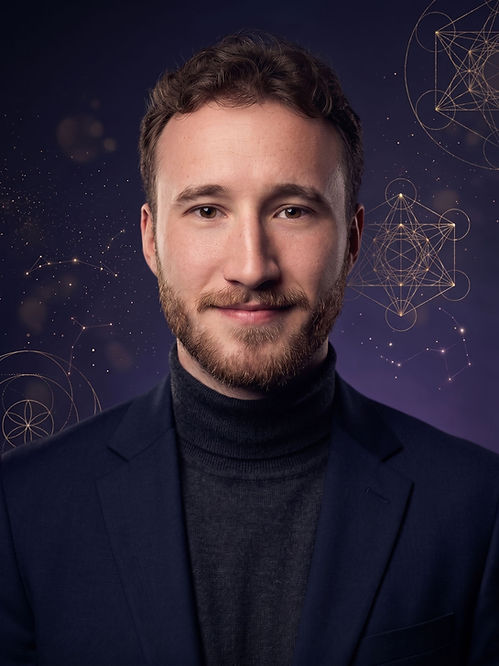
Why I Do This Work
I became interested in emotional patterns long before I had language for it.
As a kid, I paid unusually close attention to the emotional dynamics between people.
I remember being the host of many "family meetings" over the smallest of things. I laugh now about what I put my parents through.
Over the years, people naturally began coming to me to talk. What became fascinating wasn’t just what people were feeling, but the deeper emotional structure underneath it.
I've learned that most people are deeply self-aware, intelligent, and reflective. However, insight alone often isn’t enough to change the emotional patterns we return to.
It's not because we are broken.
But because certain emotional patterns can make it difficult to fully see a solution from the inside.
Often it is easier to return to what we know, even when it is toxic.
That realization shaped the way I began listening to people.

My role is not to tell people who they are.
Again and again, I've noticed many people don't necessarily need advice as much as they need space to slow down, reflect honestly, and feel seen without being reduced to a diagnosis or a role.
That’s what this work has become for me.
I don’t approach sessions as someone who has all the answers. I approach them with respect for the complexity of being human.
My role is not to tell people who they are.
It’s to help them recognize patterns, emotions, contradictions, and underlying dynamics that may already be trying to come into awareness.
Many people leave sessions feeling:



People change when they feel safe enough to tell the truth about what they’re experiencing.
And sometimes, having someone deeply present with you in that process can make all the difference.
If This Resonates With You

You don’t need to be “spiritual.”

You don’t need to be in crisis.
